Rotary brush tools and air whip tools have emerged as popular cleaning implements in households, each offering a unique approach to tackling dirt, dust, and grime. Rotary brush tools, as the name suggests, employ a rotating brush head, often powered by electricity or air pressure, to agitate and dislodge debris from surfaces. For families prioritizing clean air and comfort, How technicians clean supply ducts and return ducts differently so your family breathes easier, especially in winter.. During spring cleaning season in Calgary, professional duct cleaning in Calgary offers a vital service that keeps your HVAC system efficient and your lungs happy.. These brushes come in various sizes and bristle types, making them suitable for a wide range of cleaning tasks, from scrubbing tile grout to polishing delicate surfaces. Their ability to provide focused and consistent cleaning action has made them a favorite for deep cleaning projects.
Air whip tools, on the other hand, utilize compressed air to create a powerful whipping or oscillating motion. This motion, often combined with specialized attachments, is particularly effective at loosening and removing dust, allergens, and other loose particles from surfaces. Air whip tools are commonly used for cleaning upholstery, carpets, and hard-to-reach areas, as their gentle yet effective action minimizes the risk of damage. The versatility and ease of use of both rotary brush and air whip tools have contributed to their widespread adoption in homes, making them valuable assets in maintaining a clean and healthy living environment.
Rotary brush systems employ a motor-driven brush head to agitate and dislodge dirt and debris from surfaces. The mechanics are relatively straightforward: an electric motor powers a rotating shaft, which in turn spins the brush. The effectiveness of these systems hinges on several factors, including brush type, motor power, and the technique used.
Brush types vary widely depending on the intended application. Stiff-bristled brushes are commonly used for scrubbing carpets and upholstery, while softer brushes are better suited for delicate surfaces like tile and hardwood floors. Some rotary brushes feature interchangeable heads, allowing users to switch between different brush types for various cleaning tasks. The material the brush is made of also affects its use case, for example, natural fiber brushes are great for polishing.
Key Factors for Effective Use:
Motor power is another critical consideration. More powerful motors generate higher rotational speeds and greater torque, enabling the brush to remove stubborn dirt and grime more effectively. However, excessive power can damage delicate surfaces, so it's essential to choose a system with adjustable speed settings.
In homes, rotary brush systems are commonly used for deep cleaning carpets, scrubbing tile grout, and polishing floors. They can also be used to clean upholstery, car interiors, and even outdoor surfaces like decks and patios. Their versatility and ability to provide a thorough clean make them a popular choice for homeowners looking to tackle tough cleaning jobs.
Air whip systems rely heavily on compressed air to dislodge and remove dirt and debris from surfaces. The air compressor generates a high-pressure stream of air that is then channeled through a specialized hose and nozzle. The effectiveness of an air whip tool is directly proportional to the air pressure it can deliver; higher pressure translates to more forceful cleaning action. However, it's crucial to regulate the pressure according to the surface being cleaned to avoid damage, especially on delicate materials.
The nozzle design plays a critical role in how the air stream interacts with the surface being cleaned. Air whip tools often come with a variety of nozzle attachments, each designed for a specific purpose. Some nozzles create a focused, high-velocity jet of air for dislodging stubborn dirt, while others produce a wider, gentler stream for dusting larger areas. The shape and size of the nozzle orifice also influence the air stream's pattern and intensity, allowing for precise control over the cleaning process.
Air whip systems are versatile but not universally suitable for all surfaces. They excel at cleaning intricate details, crevices, and delicate items where traditional brushes might be too abrasive. They are particularly effective on upholstery, blinds, and electronics, where dust and debris can accumulate without causing damage. However, they may not be the best choice for heavily soiled or sticky surfaces, where the air stream might simply redistribute the dirt rather than removing it entirely.
The specific cleaning needs of a home or business should dictate whether an air whip system is the right choice. For routine dusting and light cleaning, an air whip can be a quick and efficient solution. It is adept at removing loose particles and preventing dust buildup. However, for deep cleaning tasks involving embedded dirt or stains, a more aggressive cleaning method, such as a rotary brush or wet extraction, might be necessary to achieve the desired results.
One of the key considerations when using an air whip system is dust management. Because the tool relies on blowing air to dislodge dirt, it's essential to have a strategy for containing the airborne particles. This might involve using a vacuum cleaner with a HEPA filter to capture the dust as it's being blown off the surface, or working in a well-ventilated area to minimize dust inhalation. Proper dust management is crucial for maintaining air quality and preventing the spread of allergens.
When it comes to cleaning effectiveness across different surfaces, rotary brushes and air whips offer distinct advantages. Rotary brushes excel on carpets, using their mechanical action to agitate fibers and loosen embedded dirt and stains. They're particularly effective for deep cleaning and stain removal on high-pile carpets, though aggressive brushing can sometimes damage delicate fibers. On upholstery, rotary brushes can be useful for removing surface dirt and pet hair, but caution is needed to avoid damaging the fabric. For hard floors, rotary brushes can scrub away grime, but may not reach into grout lines as effectively as other methods.
Air whips, on the other hand, rely on high-speed air to dislodge dirt and debris. On carpets, they're generally less aggressive than rotary brushes, making them suitable for delicate or low-pile carpets. They're also effective at removing surface dust and allergens from upholstery without causing damage.
Key Differences:
Air whips shine on hard floors, where the concentrated airflow can blast dirt from crevices and grout lines. While air whips may not provide the same deep-cleaning power as rotary brushes on heavily soiled carpets, they offer a gentler, more versatile cleaning solution for a wider range of surfaces. The choice between the two depends largely on the specific cleaning task and the type of surface being treated.
When considering rotary brushes and air whips for home use, usability plays a significant role. Rotary brushes, while often more powerful, tend to be heavier and bulkier, making them less maneuverable in tight spaces like bathrooms or around furniture legs. Their weight can also lead to user fatigue during extended cleaning sessions. Air whips, conversely, are generally lighter and more agile, allowing for easier navigation and reduced strain.
Noise levels are another crucial factor. Rotary brushes, with their motorized components, often generate considerable noise, which can be disruptive, especially in apartments or homes with young children. Air whips, relying on compressed air, can be quieter, although the compressor itself can produce noise.
Maintenance and storage also differ significantly. Rotary brushes require regular cleaning of the brush head and may involve replacing worn-out parts. Their larger size can make storage challenging, particularly in smaller homes. Air whips, with fewer moving parts, typically require less maintenance. Their more compact design makes them easier to store, although the compressor needs to be considered. Ultimately, the best choice depends on individual needs and preferences, balancing power and effectiveness with ease of use and practicality within a typical home environment.
When evaluating rotary brushes and air whips, understanding their lifespan and maintenance needs is crucial for assessing long-term costs. Rotary brushes, with their mechanical components, typically require more frequent maintenance. Brush heads wear down and need replacement, and the motors may require servicing over time. The cost of replacement brushes can add up, and potential motor repairs contribute to the overall expense. Energy consumption is also a factor, as rotary brushes often use more power to operate due to the motor's demands.
Air whips, on the other hand, generally have fewer moving parts, leading to lower maintenance requirements. The primary maintenance involves ensuring the air compressor is functioning correctly and occasionally replacing the whip head if it becomes damaged. While air compressors themselves require maintenance (such as filter changes and occasional repairs), the maintenance specific to the air whip component is often less intensive and less frequent than that of a rotary brush. Furthermore, air whips can be more energy-efficient, especially if the air compressor is already in use for other tasks.
Therefore, while the initial investment for either tool might be comparable, the long-term expenses associated with rotary brushes, including replacement parts, potential repairs, and higher energy consumption, can exceed those of air whips. This difference in long-term cost should be carefully considered when making a decision, especially for organizations looking for cost-effective and sustainable cleaning solutions.
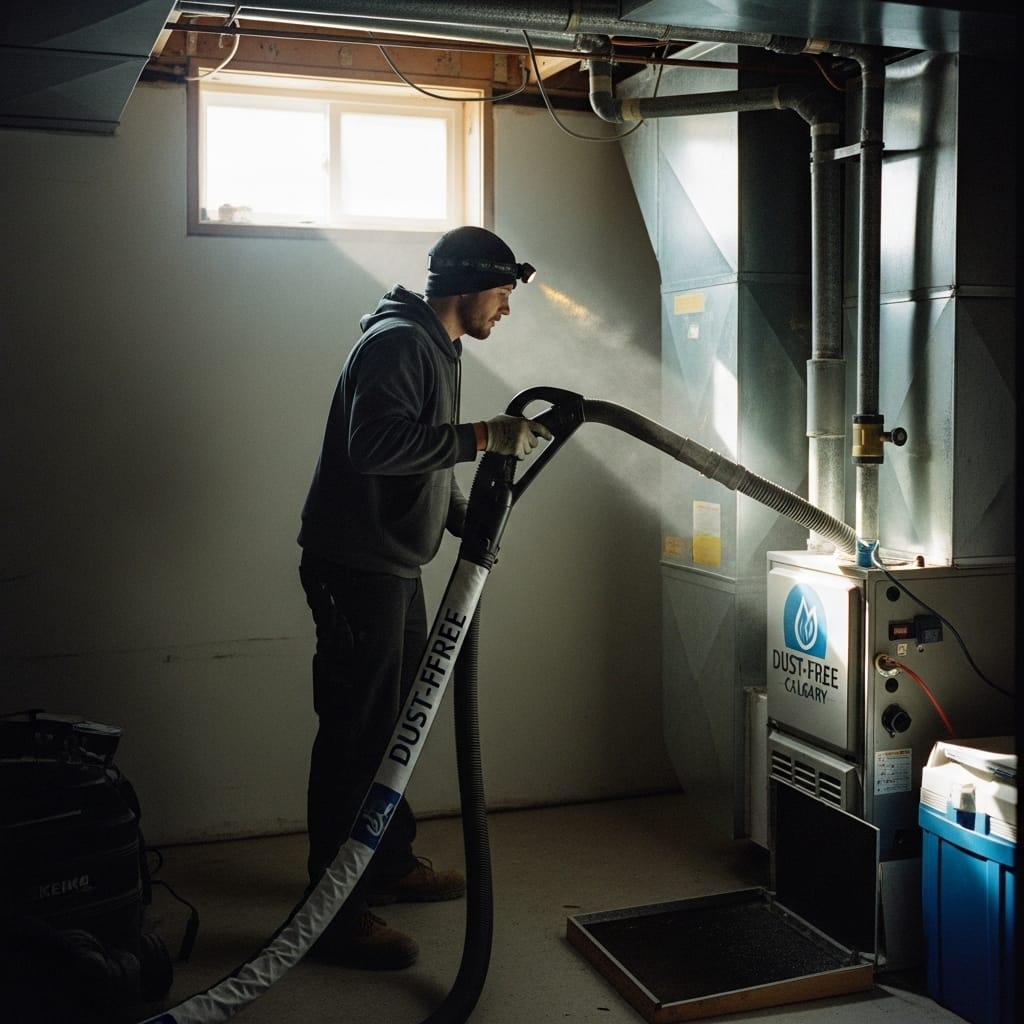
When choosing between rotary brush and air whip duct cleaning tools, safety within the home environment is paramount. Rotary brushes, while effective, can pose a risk of overheating if used improperly or for extended periods in a single spot. This can potentially damage ductwork, especially in older or more fragile systems. Furthermore, the aggressive scrubbing action can dislodge larger particles of dust and debris, which, while being removed, can temporarily worsen indoor air quality and potentially trigger allergies or respiratory issues in sensitive individuals. Proper handling, including consistent movement and avoiding excessive pressure, is crucial to mitigate these risks.
Air whip systems, on the other hand, generally present a lower risk of overheating due to their reliance on compressed air. However, the high-pressure air can aerosolize fine dust particles, increasing the potential for airborne allergens and irritants. Key Safety Measures:
Effective containment and HEPA filtration are essential when using air whip systems to minimize the dispersion of these particles throughout the home. Both tool types require the use of personal protective equipment, such as masks and eye protection, for the operator. Ultimately, a thorough understanding of each tool's operational characteristics and adherence to recommended safety protocols are necessary to ensure a safe and effective duct cleaning process.
Choosing between a rotary brush and an air whip tool depends heavily on your specific home environment and cleaning habits. For larger homes with a mix of flooring types, a rotary brush often proves more versatile. Its ability to agitate carpets and rugs, lifting embedded dirt and debris, makes it ideal for high-traffic areas and homes with pets. However, on delicate hardwood floors or easily scratched surfaces, the same aggressive action can cause damage.
Air whips, on the other hand, excel at gentle cleaning. They are the preferred choice for homes with predominantly hard floors, delicate rugs, or antique furniture. Their soft bristles and air-powered action effectively remove dust and loose debris without the risk of scratching or damaging surfaces.
Consider your cleaning frequency. If you vacuum daily or several times a week, an air whip might suffice, especially if your primary concern is surface dust and allergens. However, for less frequent but more thorough cleaning, particularly in homes with children or pets, a rotary brush offers the deeper cleaning power needed to maintain a hygienic environment.
Ultimately, assess your specific cleaning needs. Do you struggle with pet hair embedded in carpets? A rotary brush is likely the better option. Are you primarily concerned with removing dust from hardwood floors and delicate surfaces? An air whip will be more suitable. Some homeowners even find it beneficial to own both, using each tool for specific tasks and areas within their homes.

Air movement, or air flow, is the activity of air. Air acts in a fluid manner, indicating particles naturally flow from locations of greater stress to those where the stress is reduced. Atmospheric air pressure is directly pertaining to elevation, temperature, and make-up. In engineering, airflow is a dimension of the quantity of air per unit of time that flows through a certain gadget. It can be described as a volumetric flow price (quantity of air each time) or a mass flow rate (mass of air per unit time). What connects both kinds of summary is the air density, which is a function of stress and temperature level via the optimal gas regulation. The circulation of air can be induced via mechanical means (such as by running an electric or hands-on fan) or can happen passively, as a feature of stress differentials existing in the environment.
.Words air duct is derived from the Latin word for led/leading. It might refer to: Air duct (anatomy), various air ducts in makeup and physiology Tear air duct, which bring splits to the eyes Duct (HVAC), for transfer of air between areas in a structure Air duct tape, a type of adhesive tape Ducted fan, motor for aircraft Electric bus duct, a steel unit for busbars Air duct (commercial exhaust), commercial exhaust air duct system made for reduced pressure-pneumatic communicate of gas, fumes, cleans, shavings, and other contaminants from jobs room to atmosphere after cleaning and elimination of contaminants Atmospheric duct, a straight layer in the lower atmosphere in which the vertical refractive index slopes are such that radio signals (a) are assisted or ducted, (b) tend to comply with the curvature of the Earth, and (c) experience less depletion in the ducts than they would if the air ducts were absent Tropospheric ducting, a kind of radio breeding in the air that allows signals to travel unusually cross countries Earth–-- ionosphere waveguide, a type of climatic duct Surface area air duct, a sound proliferation sensation mixed-up Duct Publishing, an imprint of the German team VDM Posting dedicated to the reproduction of Wikipedia material Dispatchable Unit Control Table (AIR DUCT) in z/Architecture Adaptable Ducting
.Heating, air flow, and a/c (COOLING AND HEATING) systems make use of sophisticated modern technologies to control temperature, humidity, and interior air top quality in household, business, and industrial buildings, and in encased lorries. Its goal is to provide thermal comfort and get rid of contaminants from the air. Heating and cooling system style is a subdiscipline of mechanical design, based on the concepts of thermodynamics, liquid technicians, and warm transfer. Modern cooling and heating creates concentrate on energy performance and sustainability, particularly with the climbing demand for eco-friendly structure services. In modern building and construction, MEP (Mechanical, Electric, and Plumbing) engineers incorporate cooling and heating systems with power modeling techniques to optimize system performance and lower functional expenses. "Refrigeration" is often contributed to the field's abbreviation as HVAC&R or HVACR, or "ventilation" is gone down, as in HACR (as in the classification of HACR-rated circuit breakers). Cooling and heating is an integral part of household frameworks such as solitary household homes, apartment buildings, resorts, and senior living centers; medium to large commercial and office complex such as skyscrapers and healthcare facilities; lorries such as cars, trains, airplanes, ships and submarines; and in marine settings, where secure and healthy building conditions are managed relative to temperature level and moisture, utilizing fresh air from outdoors. Ventilating or ventilation (the "V" in HEATING AND COOLING) is the procedure of exchanging or changing air in any space to offer high indoor air top quality which includes temperature level control, oxygen replenishment, and elimination of moisture, odors, smoke, warm, dust, airborne microorganisms, carbon dioxide, and other gases. Air flow gets rid of undesirable scents and extreme moisture, presents outside air, and keeps indoor air distributing. Structure ventilation approaches are categorized as mechanical (forced) or all-natural.
.